Passport for Learning
What is Passport for Learning?
The Passport for learning is a holistic formative assessment approach for students with moderate to severe intellectual disability.
The Passport for learning was developed to ensure learning is scaffolded for all students, especially those needing support to establish strong language skills.
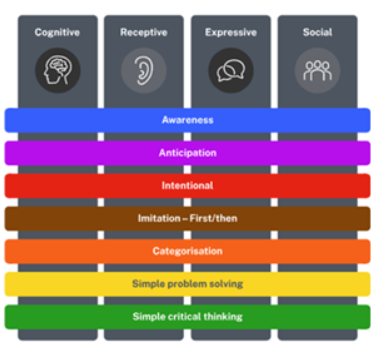
Passport for learning consists of four learning domains, known as CRES (Cognitive, Receptive, Expressive and Social skills). There are 7 colour groupings which outline the main focus for each of the different groups students may fit into when the observations and assessment has been completed. The Passport groups are Awareness, Anticipation, Intentional, Imitation First/then, Categorisation, Simple problem solving and Simple critical thinking.
What does Passport for Learning look like at Yawarra?
At Yawarra Community School, Passport for Learning (P4L) is an integrated teaching and learning framework designed to support every student to achieve success in ways that are meaningful to them. It provides a consistent approach across the whole school, while still allowing flexibility to meet each student’s individual needs.
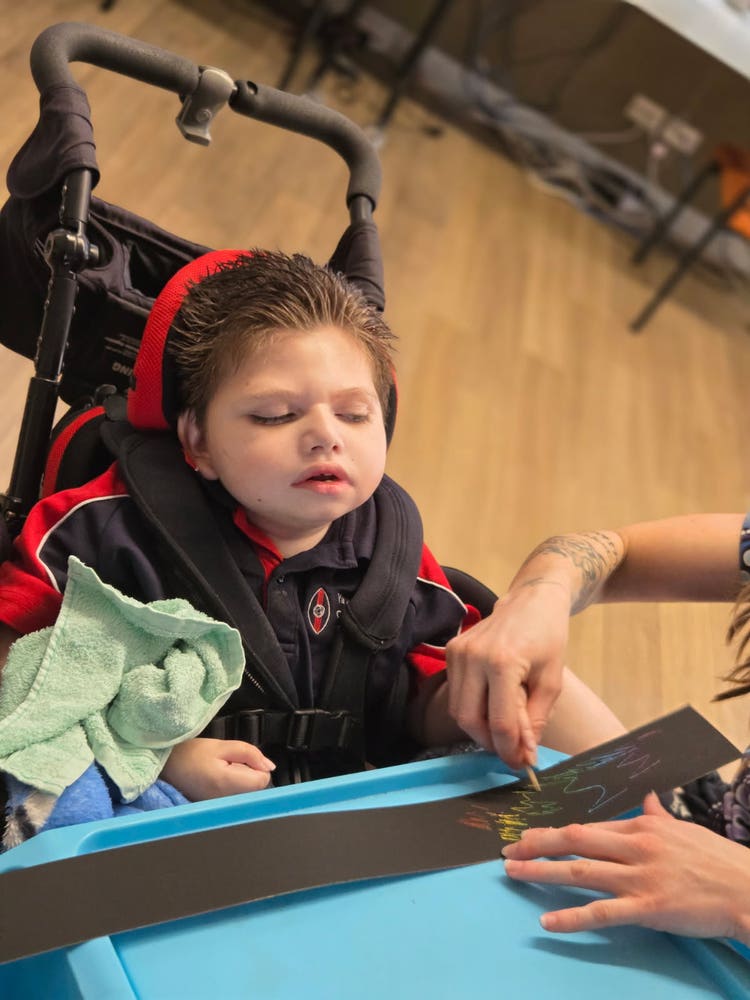
P4L units bring together different key learning areas through engaging, hands-on activities that focus on real-life skills. Each unit is carefully planned to connect literacy, numeracy, communication, wellbeing, and cultural learning in ways that are practical and accessible for our students. For example, students might explore themes through cooking, gardening, art, music, community access, or functional communication tasks.
At the heart of P4L is personalisation. Teachers, support staff, and therapists collaborate to embed individual learning goals and wellbeing strategies into each unit. This ensures that students not only access curriculum outcomes, but also build the lifelong skills they need for independence, communication, and social connection.
Through Passport for Learning, Yawarra students experience learning that is purposeful, inclusive, and fun; preparing them for success both at school and in the wider community.
Passport for Learning encompasses:
- Universal design of learning spaces.
- Integrated units of work and adapted lesson plans.
- Developing functional communication (finding a student voice).
- Assessment.
Universal design of learning spaces
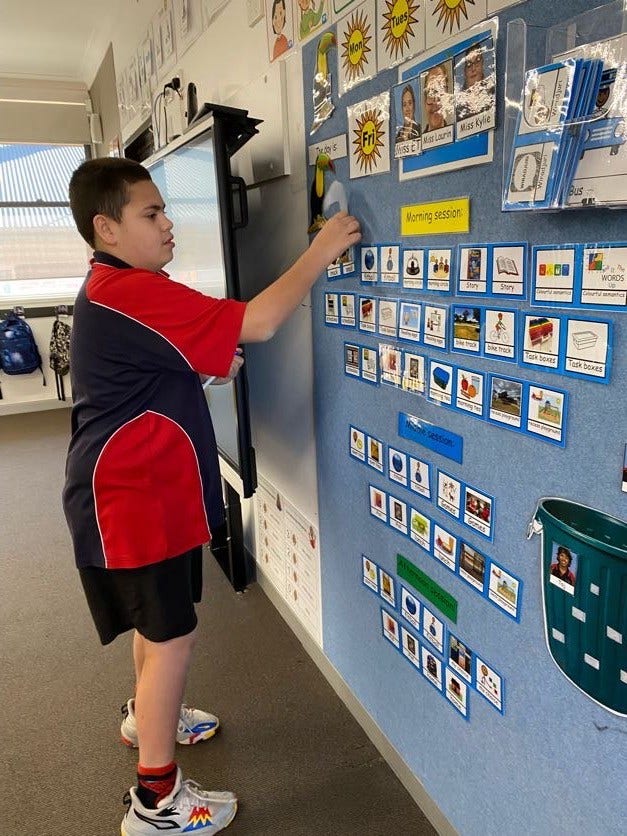
At Yawarra, we recognise that routine and predictability are vital for our students’ success. That’s why we have implemented a universal design across all learning spaces. This consistent approach ensures every classroom provides familiar structures such as visuals, schedules, transitional supports, and accessible sensory input, helping students feel secure, engaged, and ready to learn.
Integrated Units of work
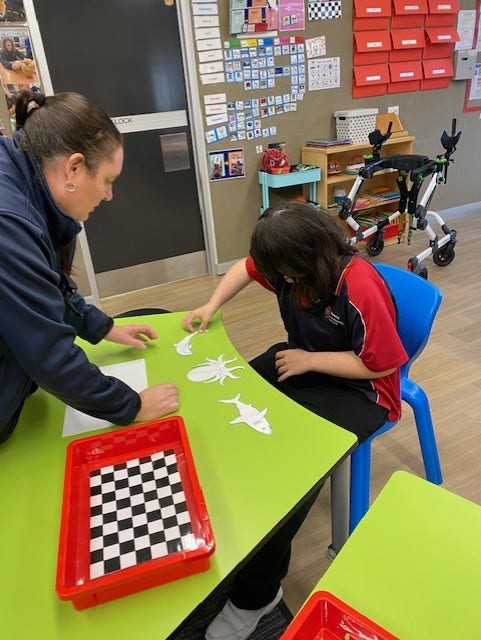
Each term, students explore a whole-school unit of work that is adapted across all stages (K–12). This provides consistency while allowing teachers to tailor activities to individual strengths, interests, and goals.
Functional Communication
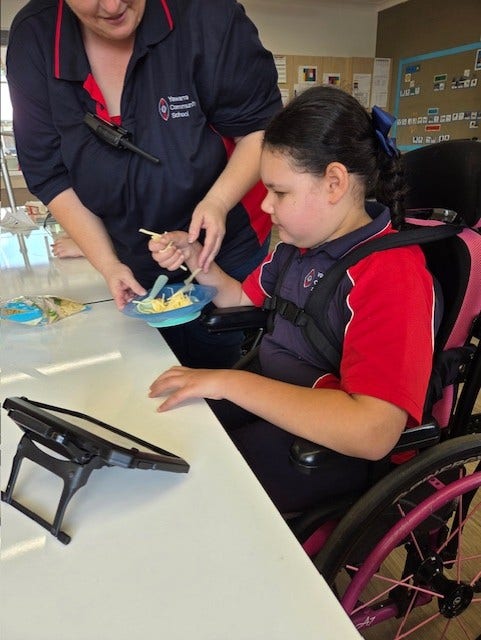
Functional communication is at the heart of learning and wellbeing for our students. It gives them the tools to express their needs, make choices, build relationships, and participate meaningfully in their world.
Building capacity in our students receptive and expressive language is a key feature of their learning.
At Yawarra, staff are committed to supporting a wide range of communication styles so every student has a “voice.” This includes using Key Word Sign, electronic speech devices, eye-gaze technology, and visual supports tailored to each student’s abilities and preferences.
Assessment
The BLOOM assessment is an important tool at Yawarra Community School because it helps us understand each student’s learning profile in a way that traditional assessments often cannot.
For students with a disability, progress is not always shown through standard testing; instead, growth can be seen in smaller but highly significant steps across communication, social interaction, self-regulation, and independence.
Have a question for our principal or teachers?
Our friendly office team can help you get in touch.
Learning
Find out about our approach to learning and supporting students to progress.
Travel to school
Learn about local transport options and how to get here safely.